TL;DR
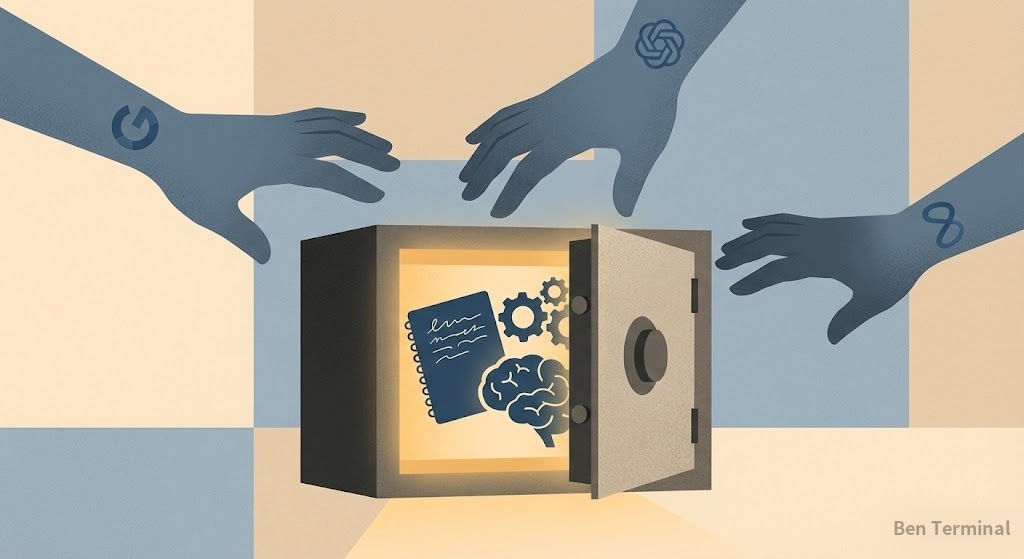
One Monday in February 2026, Google banned thousands of users who had been accessing Antigravity through OpenClaw. On the surface, it looked like a terms-of-service dispute. Underneath, it was a full-scale war between tech giants over who controls the AI agent gateway.
What this article covers:
- The bans were just the surface. The real fight is over who becomes the operating system of your work life
- Meta failed to recruit OpenClaw’s founder, then pivoted to its $2B Manus acquisition to build a cloud agent empire
- Behind the convenience of cloud agents, your workflows and decision-making patterns are being locked into someone else’s servers
- For business leaders, this is a question of digital sovereignty
One Monday, Thousands of Accounts Vanished
February 23, 2026. A Monday.
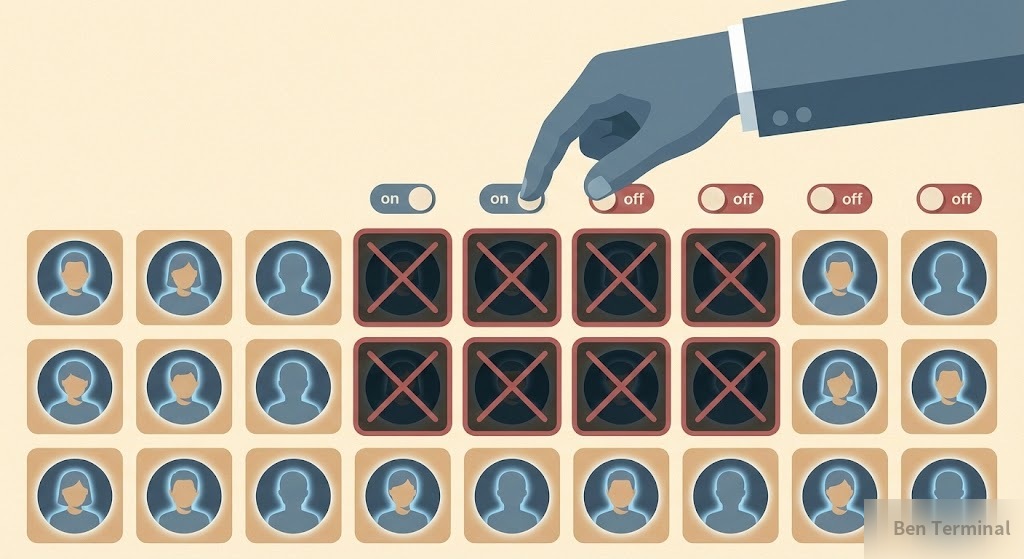
I opened Reddit and X to find users everywhere reporting the same thing: banned. Not from some niche service — from Google. And these weren’t free-tier freeloaders. They were paying $250/month for AI Ultra subscriptions. No warning, no refund.
The trigger was OpenClaw — an open-source AI agent framework that had exploded to 220K stars on GitHub. It lets AI operate your computer directly, handling everything from coding to project management (for the origin story behind OpenClaw, see this interview piece). Developers had been using it to hook into Google’s latest AI coding tool, Antigravity. That set off Google’s defense mechanisms.
Google DeepMind engineer Varun Mohan stepped in to explain: the system had detected a “massive increase in malicious usage” that was degrading service quality for regular users. They had to cut access fast.
But what actually rattled the developer community wasn’t the AI tool getting cut off.
Google’s AI products share the same account infrastructure as Gmail, Google Drive, and Calendar. The anxiety on forums was specific: a single AI terms-of-service violation could take down a decade's worth of emails, contracts, and contacts along with it .
Reading through those threads, the thing that got to me wasn’t the technical problem. It was a more fundamental question: how much of our lives have we built on someone else’s land?
Not a Traffic Problem — a Gateway War
If it were just a server capacity issue, they could have throttled traffic, slowed things down, asked users to upgrade. Instead, Google went with zero tolerance — permanent bans, irreversible, no refunds .
The timeline makes it more interesting. Three days before Google acted, Anthropic had updated its terms of service to explicitly prohibit OpenClaw from using Claude’s OAuth tokens. Two major AI companies, closing the door on the same open-source tool in the same week.
That doesn’t look like two companies independently managing their server loads. It looks like a coordinated lockout.
To understand why, you need to rewind to a Lex Fridman Podcast episode that aired on February 12, 2026.
OpenClaw founder Peter Steinberger revealed a fierce bidding war for his talent. Zuckerberg personally reached out via WhatsApp, offered a richer deal, even spent ten minutes debating model architecture with him. Sam Altman at OpenAI called him a “genius.” The two biggest names in tech weren’t just fighting over an engineer — they were fighting over the person defining what an AI agent should look like.
Peter chose OpenAI. In the interview, he was blunt: both sides shared the same goal — building an agent that “even my mom could use.” The shared belief was that AI agents should run locally, stay open-source, and keep the user in control.
At the end of the day, those bans weren’t protecting servers. They were protecting a position: who gets to be the general manager inside your computer.
Can’t Win Open Source? Surround Them With Cloud
Peter turned Zuckerberg down. But Meta wasn’t unprepared.
Back in late 2025, Meta had acquired Singapore-based AI agent platform Manus for $2 billion . The company had hit over $100M in annualized revenue less than eight months after launch — proof that demand for AI agents was real.
Meta’s likely playbook was a two-pronged approach: Manus for the cloud, OpenClaw for local, both gateways under their control. But Peter picked OpenAI, and Meta’s local strategy fell apart.
That left one path: go all-in on cloud agents .
After the acquisition, Manus integrated fast into Meta’s ecosystem. AI agents launched on Telegram — scan a QR code and you’re in. WhatsApp, Line, Slack, and Discord are next. Manus even made its way into Meta Ads Manager, working its way into advertisers’ daily workflows.
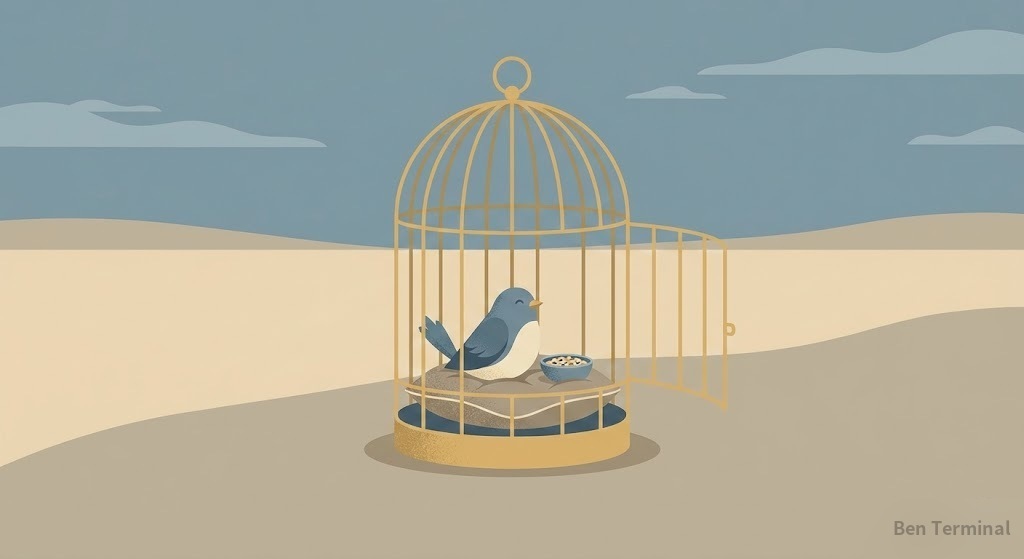
No installation, no maintenance, scan and go. Sounds appealing.
But that’s exactly where it gets concerning.
OpenClaw’s architecture is local-first, open-source, data on your machine. Post-acquisition Manus went the opposite direction: pure cloud, tied to social platforms, all workflows running on Meta’s servers.
But locked-in workflows aren’t even the deepest issue. There’s something else being quietly taken away — and most people haven’t even noticed it exists.
The Real Battlefield: Who Owns Your Agent Memory
So far, we’ve gone from ban wave to gateway war to ecosystem lock-in. But this war has one more layer, and this is where it gets personal.
AI agents are fundamentally different from every software tool that came before: they remember you .
Not browser-cookie remembering. Real memory — how you revise a proposal, the way your tone shifts when talking to different departments, what makes you reverse a decision. These interactions accumulate into a growing memory bank that makes the agent more useful the longer you use it.
This isn’t hypothetical. OpenClaw’s memory system is already live.
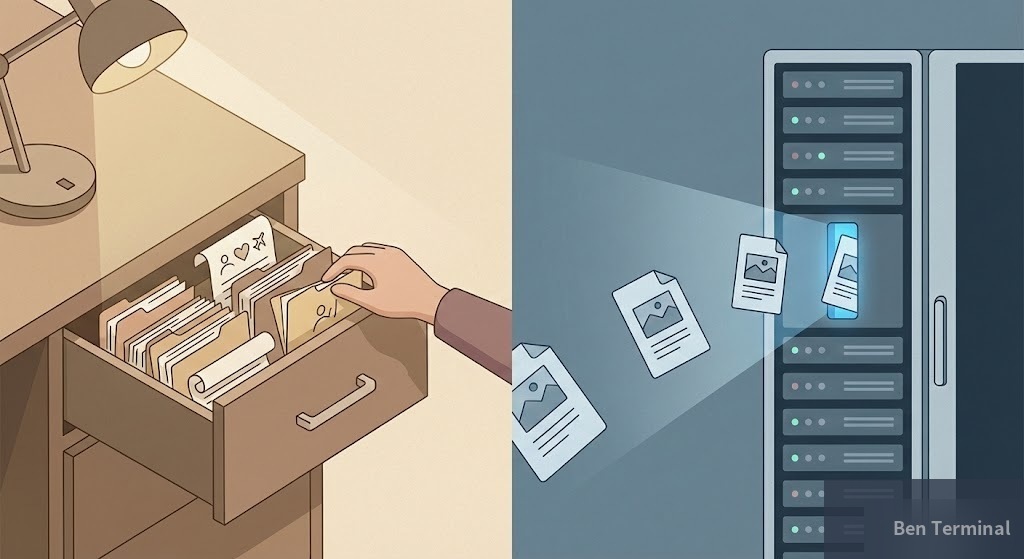
The approach is intuitive: after each session, the AI writes what it learned into local Markdown files. Daily notes go into memory/YYYY-MM-DD.md, long-term memory into MEMORY.md. Everything is plain text, human-readable, version-controllable with Git. You can open the file, see exactly what the agent remembers, and edit anything that’s wrong.
Next time you ask the agent for help, it doesn’t start from zero. It picks up where it left off, adjusting how it works based on what it learned before. Over time, it starts to feel like an assistant who’s been working with you for years.
Now apply that logic to cloud agents.
When you use Meta’s Manus, or any pure-cloud AI agent, where does your Agent Memory live? On their servers. You can’t see it, you can’t edit it, you can’t take it with you. And that memory becomes fuel for training their next-generation models. Every work interaction you have is making their AI smarter, for free.
With a local open-source setup, your memory is yours. It’s a knowledge base that lives on your machine and grows over time. No one can take it, and no platform can make it vanish by updating a terms-of-service page.
What’s Your Agent Decision Framework Worth?
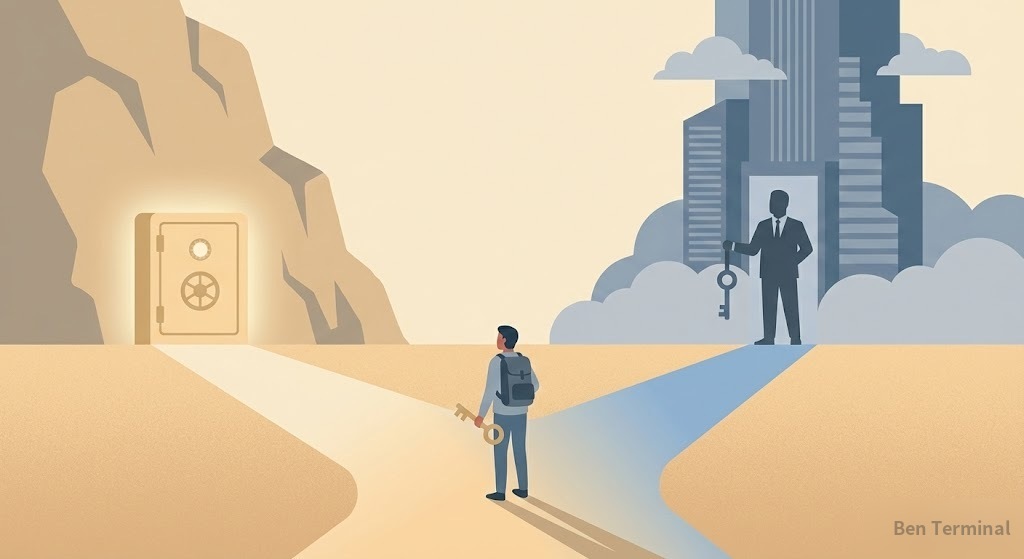
Let me pull the camera back from the industry chess match and focus on one person — you, reading this right now.
If you run a company or lead a team, what’s the most valuable thing you have? Not the tools you use, not your subscription plans. It’s the decision-making framework you’ve built over the years: how you read a situation, which mistakes you’ve already learned to skip.
That knowledge used to live only in your head — impossible to copy, impossible to pass on. But Agent Memory changes that. When an AI agent faithfully records how you work and how you decide, tacit knowledge can finally be digitized and reused.
Picture this: you package your decision-making logic into a custom agent, and a new team member gets the benefit of your judgment from day one. OpenClaw’s skill system can already do this.
But only if that memory bank stays in your hands.
Ready to Bring AI Agents Into Your Business?
If you’re exploring OpenClaw adoption or other AI agent solutions, we’d love to talk.
Get in touch → Lychee Intelligence
References
Expand references (9 sources)
The Ban Wave
- Google Bans AI Subscribers Over OpenClaw, Skips Refunds — WinBuzzer
- Google Antigravity falls to Earth under OpenClaw-fueled compute load — The Register
- Google bans OpenClaw users on its AI coding tool Antigravity — Times of India
Peter Steinberger & the Talent War
- OpenClaw: The Viral AI Agent that Broke the Internet — Peter Steinberger | Lex Fridman Podcast #491 — Lex Fridman
- OpenClaw’s Peter Steinberger on why he rejected Mark Zuckerberg’s job offer — Times of India
Meta’s Manus Acquisition
- Meta acquires intelligent agent firm Manus, capping year of aggressive AI moves — CNBC
- Meta-owned Manus launches AI agents on Telegram — Silicon Republic
- Manus AI lands inside Meta Ads Manager — PPC Land
OpenClaw Memory System
- Memory — OpenClaw Docs — OpenClaw Docs